
Description
Moluccan Cockatoo
Moluccan Cockatoo belongs to the Cacatuidae family and is one of the largest cockatoo species. Endemic to the Moluccas archipelago in Indonesia, particularly Seram and surrounding islands, these birds inhabit dense tropical forests. Their scientific name, Cacatua moluccensis, reflects their geographic origin. Moluccan Cockatoos are highly intelligent and social, forming strong bonds in the wild and captivity. They’ve been popular in aviculture for decades due to their beauty and loyalty, but they require experienced owners to thrive. Unlike smaller cockatoos, they have a commanding presence and can live long lives with proper care.
Physical Appearance
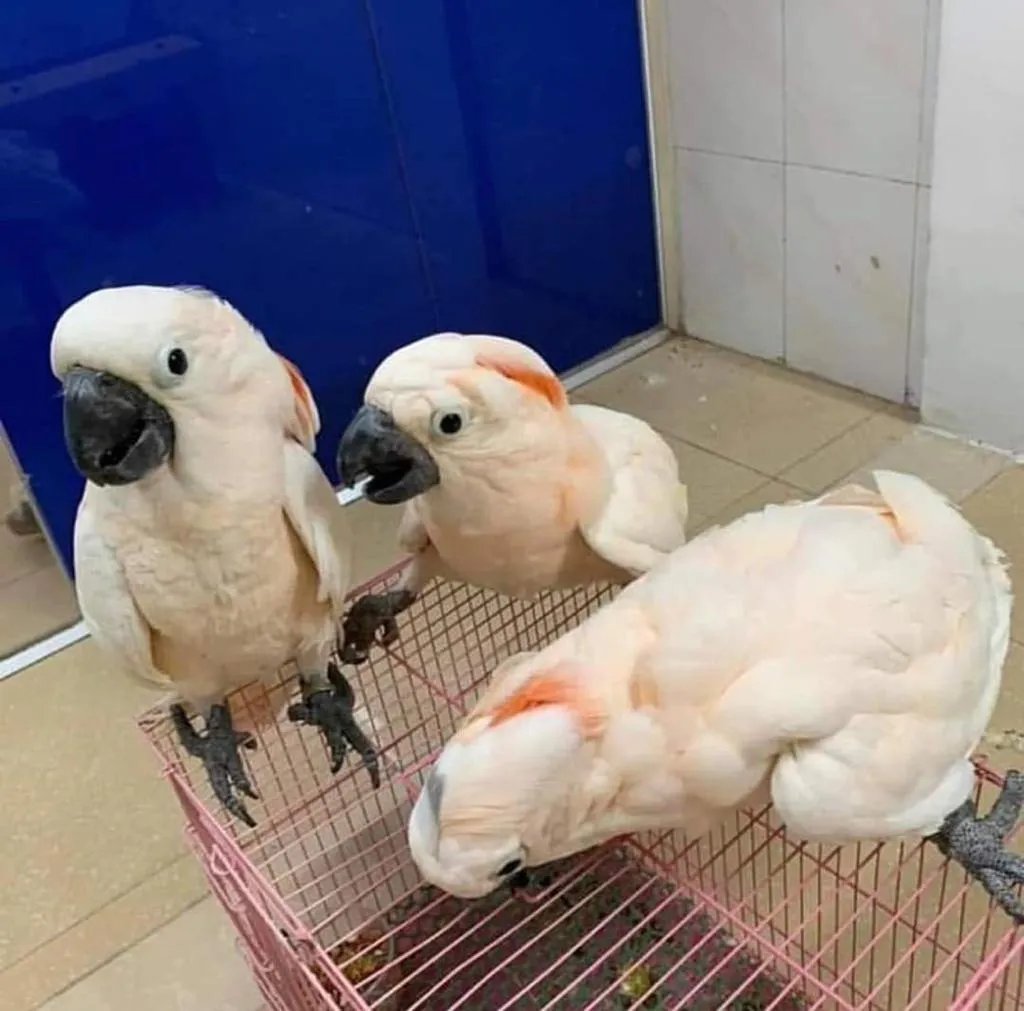
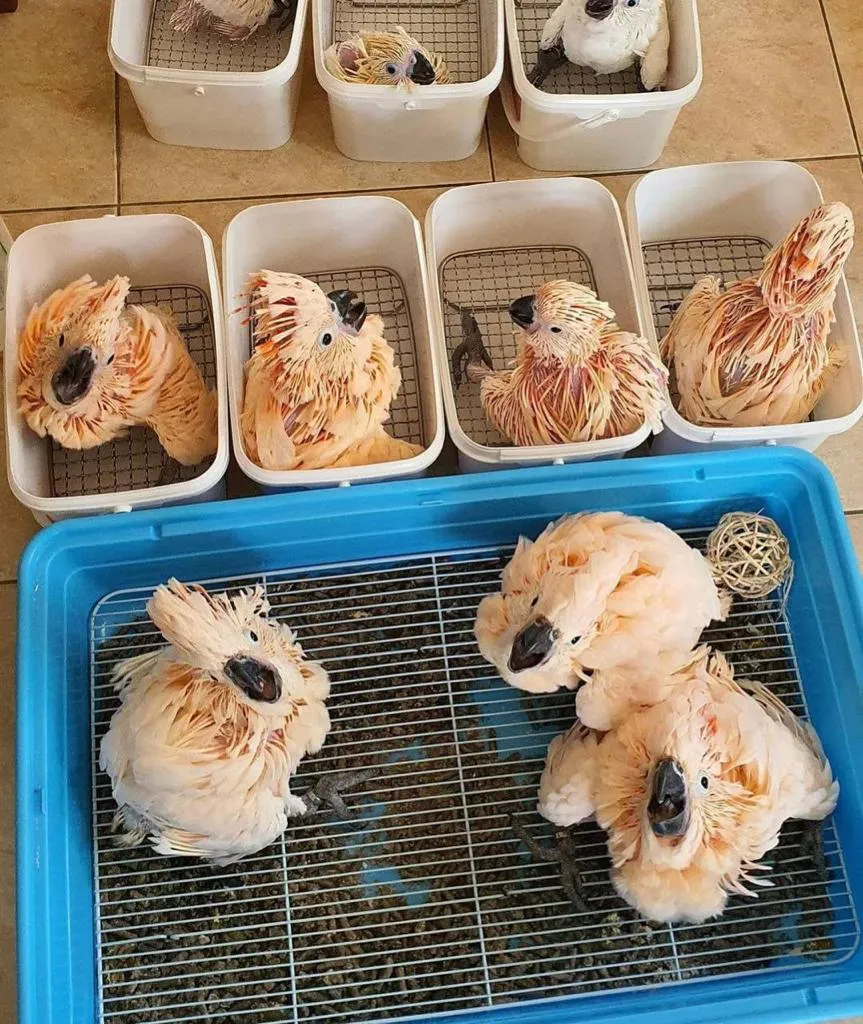
Measuring 18-20 inches (46-51 cm) in length and weighing 2-2.5 pounds (900-1,130 grams), the Moluccan Cockatoo is a substantial bird with an imposing build. Its body is predominantly white, with a subtle yellowish undertone on the underwing and tail. The most distinctive feature is the large, erectile crest, which ranges from pale pink to deep salmon-red and can fan out dramatically during displays. The beak is powerful and curved, ideal for cracking hard nuts, and the eyes are surrounded by bare, bluish-white skin. Males and females are visually similar, though males may have a broader head. Juveniles have a smaller crest and grayer plumage that develops into the adult’s brilliance. This elegant appearance isn’t just for show; the crest aids in communication, and the robust build supports their active lifestyle.
Natural Habitat and Behavior in the Wild
In the lush rainforests of Indonesia’s Moluccas, Moluccan Cockatoos dwell in lowland and mid-elevation forests up to 1,000 meters. They are diurnal and gregarious, forming flocks of 10-50 birds that forage collaboratively for food and roost together. Their diet includes seeds, nuts, fruits, and insects, contributing to forest health through seed dispersal. In the wild, they play a vital role in their ecosystem, helping to regenerate vegetation.
Wild behaviors include impressive aerial displays, loud communal calls, and intricate social hierarchies. They are monogamous, with pairs engaging in courtship rituals involving crest displays and mutual preening. They nest in large tree hollows, where females incubate 2-4 eggs. Unfortunately, habitat destruction and illegal trapping have led to their endangered status, making conservation crucial. Efforts focus on protecting their island habitats and promoting sustainable breeding.
Why Choose a Moluccan Cockatoo as a Pet?
Moluccan Cockatoos are ideal for owners seeking a deeply interactive and emotionally intelligent companion. They offer unparalleled loyalty but require commitment.
- Affectionate and Devoted: They form intense bonds, often craving constant attention and physical contact. Their gentle nature makes them wonderful for bonding.
- Highly Intelligent: Capable of learning extensive tricks, mimicry, and even problem-solving, they keep owners engaged for years.
- Vocal and Expressive: Their calls are powerful and varied, from deep booms to soft whistles, adding personality to any home.
- Long-Lived Companions: With excellent care, they can live 40-60 years, providing decades of companionship.
However, they demand significant attention and can become depressed or destructive if neglected, making them best for experienced owners who can dedicate time.
Setting Up the Perfect Habitat for Your Moluccan Cockatoo
Moluccan Cockatoos require expansive, enriching environments to thrive. A large aviary or custom-built enclosure—at minimum 4x4x6 feet—is necessary, with room for flight and climbing.
Cage Essentials
- Perches and Toys: Provide sturdy, natural wood perches of varying sizes and a variety of toys like puzzles, shredders, and swings to stimulate their minds and prevent boredom.
- Food and Water Dishes: Use heavy, non-tip bowls for pellets and fresh water, ensuring constant availability.
- Lighting and Temperature: Ensure full-spectrum UVB lighting to support health. Maintain 70-85°F (21-29°C) with moderate humidity (40-60%).
- Substrate and Cleaning: Line with absorbent paper and sanitize regularly to prevent infections.
Offer several hours of supervised out-of-cage time daily in a secure, bird-proofed space to promote physical activity and strengthen your bond.
Diet and Nutrition for Moluccan Cockatoos
A nutrient-rich diet is essential for the Moluccan Cockatoo’s vibrant plumage and robust health, replicating their wild omnivorous habits.
Recommended Foods
- Pellets: High-quality formulated pellets should comprise 60-80% of their intake, delivering balanced nutrients.
- Fresh Produce: Include fruits (e.g., apples, mangoes, berries) and vegetables (e.g., carrots, broccoli, leafy greens) daily for antioxidants.
- Seeds and Nuts: Provide sparingly as treats, focusing on almonds or macadamias.
- Supplements: Add calcium via cuttlebone and occasional proteins like cooked eggs or insects.
Serve portions twice daily, varying options to maintain interest. Fresh water is critical for hydration.
Health and Common Issues
Moluccan Cockatoos are resilient but susceptible to certain conditions. Regular veterinary care is vital.
Common Health Concerns
- Psittacine Beak and Feather Disease (PBFD): A viral risk; quarantine new birds and vaccinate if available.
- Feather Plucking: Frequently stress-induced; enrich their environment to alleviate it.
- Obesity and Liver Disease: From fatty diets; promote activity and portion control.
- Respiratory Infections: Shield from drafts and pollutants for optimal lung health.
Watch for indicators like lethargy or abnormal droppings, and consult a veterinarian immediately.
Training and Socialization
These clever birds respond excellently to positive reinforcement.
Basic Training Tips
- Commands: Begin with “step up” for safe handling and basic obedience.
- Tricks and Mimicry: Teach waving, talking, or fetching with rewards and patience.
- Socialization: Gradually introduce to household members and pets to build confidence and reduce territoriality.
Consistent, gentle sessions build a trusting, communicative relationship.
Breeding Moluccan Cockatoos
Breeding requires experienced handlers. Pair mature birds and provide a large nesting box. Females lay 2-4 eggs, incubated for 25-28 days. Chicks demand specialized care—seek professional advice.
Conclusion: Celebrating the Majesty of Moluccan Cockatoos
The Moluccan Cockatoo is a crown jewel of the parrot world, blending regal beauty with profound emotional depth. With its salmon crest and loving spirit, it brings elegance and joy to dedicated homes. By focusing on their care—through enriching habitats, nutritious diets, and attentive health monitoring—you’ll foster a thriving, happy companion. If you’re ready for the commitment, embrace the adventure of owning a Moluccan Cockatoo. Your feathered friend will reward you with loyalty, intelligence, and unforgettable moments.
Reviews
There are no reviews yet.