
Description
Goffin Cockatoo
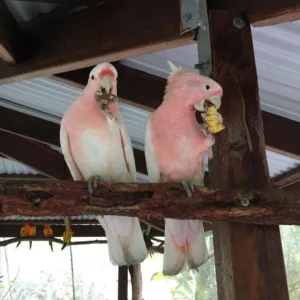
Goffin Cockatoo is a member of the Cacatuidae family, characterized by its small size and vibrant personality. Native to the Tanimbar Islands in Indonesia, these birds thrive in tropical forests and open woodlands. Their name honors Andreas Goffin, a historical figure. Goffin Cockatoos are highly social, forming flocks in the wild and adapting well to human companionship. They’re prized for their curiosity, problem-solving abilities, and vocal talents, making them standout pets in aviculture. Unlike larger cockatoos, they are more manageable for beginners, but they still require significant interaction to thrive. Their adaptability has made them popular in breeding programs, leading to a variety of color mutations in captivity, such as lutino or pied varieties, which add to their appeal.
Physical Appearance
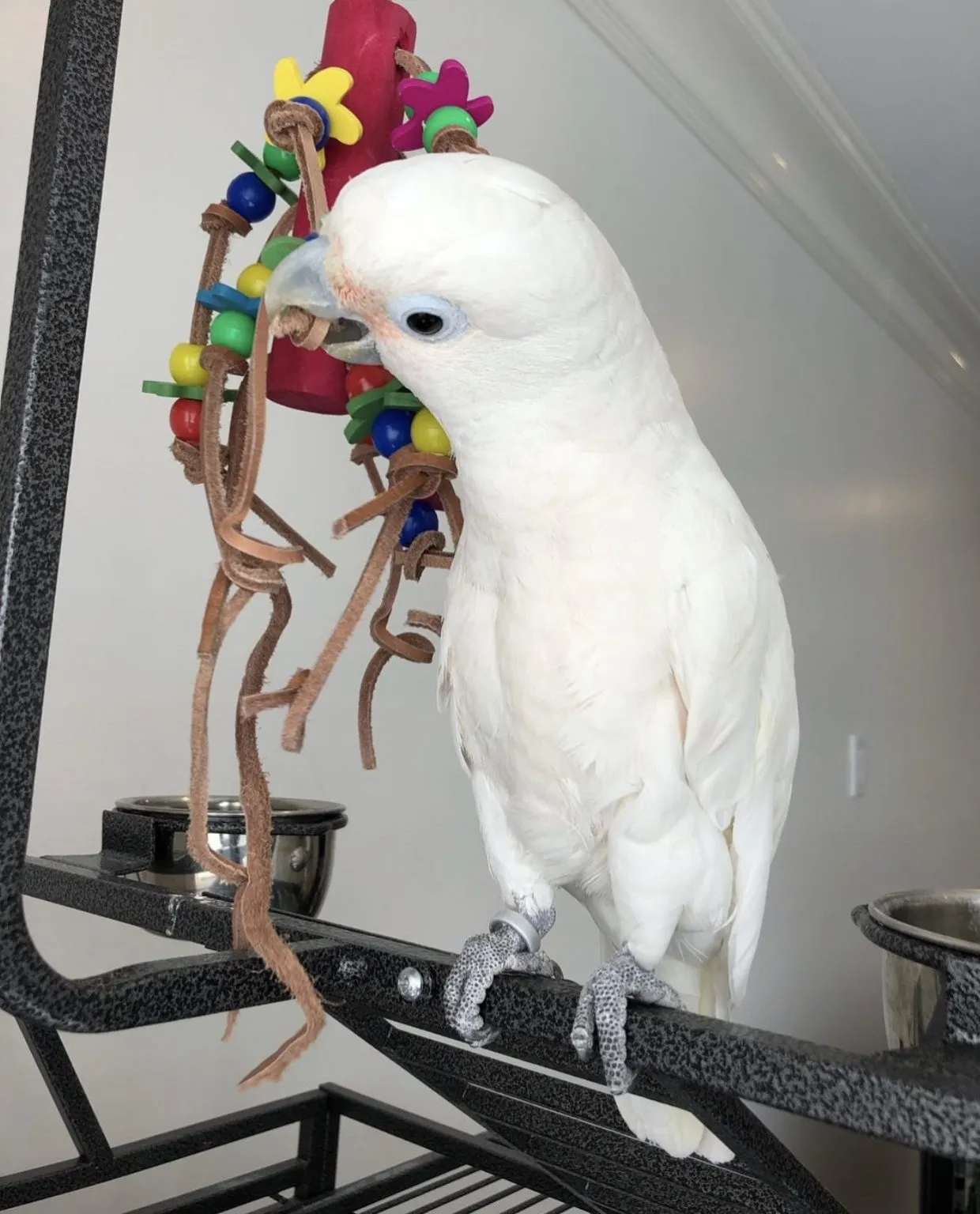
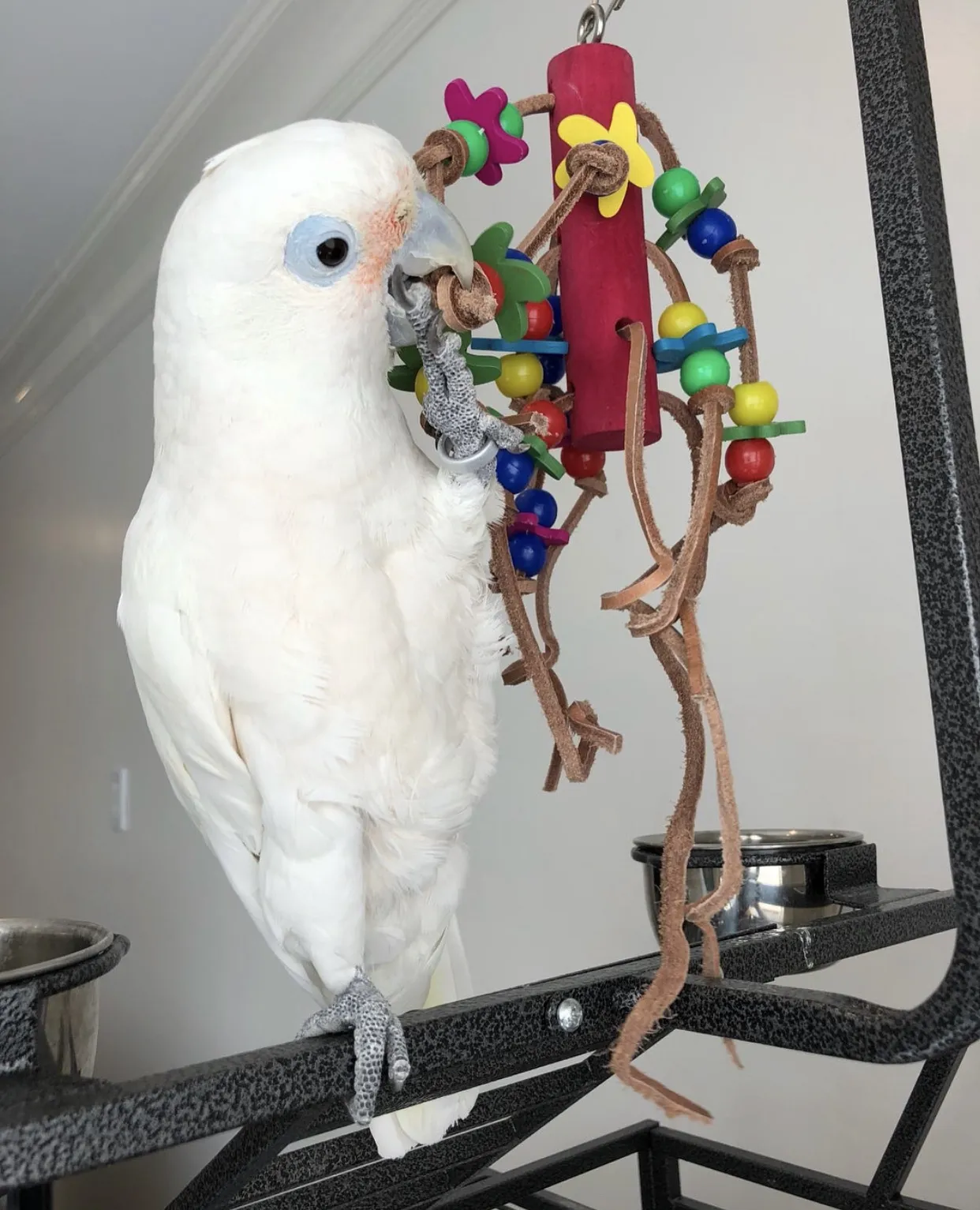
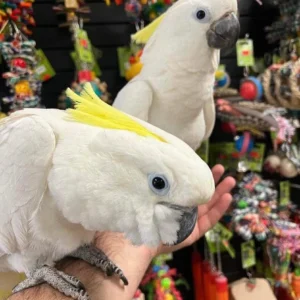
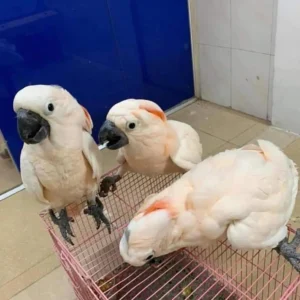
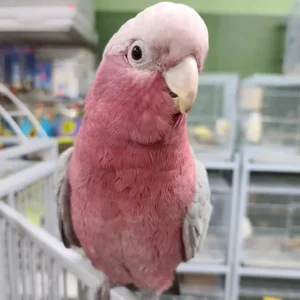
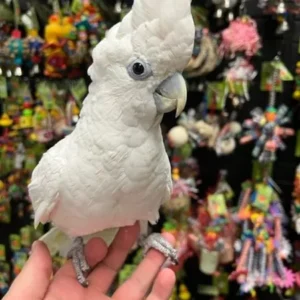
At 12-13 inches (30-33 cm) in length and 8-10 ounces (225-280 grams) in weight, the Goffin Cockatoo is a petite powerhouse. Its feathers are mostly white, with soft salmon-pink hues on the cheeks and under the wings. The crest is large and erectile, often raised in excitement, and the beak is sturdy for foraging. Eyes are dark, framed by bare skin that blushes pink during arousal. Males and females are visually identical, though males may be slightly larger. Young birds have muted colors that intensify over time. This small stature and expressive face make them irresistibly cute and manageable, but their strong beak means they can be destructive if not provided with appropriate chew toys.
Natural Habitat and Behavior in the Wild
In Indonesia’s Tanimbar Islands, Goffin Cockatoos inhabit forests, savannas, and cultivated areas. They are active during the day, flocking in groups of 20-100 for foraging and protection. Their diet consists of seeds, fruits, nuts, and insects, which they forage for collaboratively. In the wild, they play a role in seed dispersal, helping to maintain forest ecosystems. Their nomadic tendencies mean they follow food sources, moving between areas seasonally. Wild behaviors feature acrobatic displays, communal calls, and social grooming. They are monogamous, nesting in tree hollows, laying 2-3 eggs. Habitat destruction threatens their populations, emphasizing ethical sourcing. Conservation efforts focus on protecting their island habitats from deforestation and illegal trapping.
Why Choose a Goffin Cockatoo as a Pet?
Goffin Cockatoos are perfect for owners wanting a lively, trainable bird. They offer:
- Playful and Curious: They love toys and exploration, providing constant amusement. Their clown-like antics, such as hanging upside down or tossing objects, make them entertaining companions.
- Intelligent and Responsive: They excel at learning tricks and mimicking voices, often surprising owners with their vocal range.
- Affectionate and Social: They form deep bonds, craving interaction and often seeking physical contact like cuddles.
- Compact and Durable: Suitable for apartments, with a 30-40 year lifespan. They are less demanding in space than larger cockatoos but still need plenty of mental stimulation.
They need attention to prevent boredom-related issues like screaming or feather plucking. Owners should be prepared for their high energy levels and potential for mischief if left alone too long.
Setting Up the Perfect Habitat for Your Goffin Cockatoo
A spacious cage—minimum 2x2x4 feet—is crucial for their active nature.
Cage Essentials
- Perches and Toys: Diverse perches of different sizes to promote foot health, and stimulating toys like puzzles, bells, and shreddable items to keep them engaged. Rotate toys regularly to maintain interest.
- Food and Water Dishes: Durable bowls that are easy to clean and tip-resistant.
- Lighting and Temperature: UVB lighting to support calcium absorption and vitamin D production, and maintain 70-80°F (21-27°C) with moderate humidity.
- Substrate and Cleaning: Paper lining for easy cleanup, and frequent cleaning to prevent bacterial growth. Spot-clean daily and deep-clean weekly.
Provide daily supervised playtime outside the cage in a bird-safe room to allow for flight and exploration, which is essential for their physical and mental well-being.
Diet and Nutrition for Goffin Cockatoos
A nutritious diet is key to their health and longevity.
Recommended Foods
- Pellets: 60-80% of the diet, formulated for cockatoos to provide balanced nutrition, including vitamins and minerals.
- Fresh Produce: Daily servings of fruits like apples, bananas, and berries, and vegetables such as carrots, broccoli, and leafy greens for antioxidants and fiber.
- Seeds and Nuts: Occasional treats like sunflower seeds or almonds, but limit to prevent obesity.
- Supplements: Calcium sources like cuttlebone and occasional proteins from cooked eggs or insects to mimic their wild diet.
Feed twice daily with constant fresh water. Monitor for picky eating and ensure variety to avoid nutritional deficiencies.
Health and Common Issues
Goffin Cockatoos are generally healthy but require care to prevent issues.
Common Health Concerns
- Feather Plucking: Often due to stress or boredom; address with more enrichment and vet consultation.
- Respiratory Problems: Protect from drafts, smoke, and pollutants, as they can lead to infections.
- Weight Issues: Monitor intake and encourage activity to avoid obesity, which can cause liver problems.
- Parasites: Regular vet checks and clean environments help prevent infestations.
Annual vet visits are recommended, including blood tests for early detection of diseases like psittacine beak and feather disease.
Training and Socialization
Positive reinforcement is effective for these intelligent birds.
Basic Training Tips
- Commands: Start with “step up” for safe handling, using treats as rewards.
- Tricks: Encourage mimicry of sounds or simple tricks like waving, building on their natural curiosity.
- Socialization: Introduce gradually to family members and other pets to build confidence and reduce fear-based behaviors.
Consistent, short sessions daily will foster a strong bond and keep them well-behaved.
Breeding Goffin Cockatoos
Breeding needs expertise and mature pairs. Provide nesting boxes lined with soft materials. Females lay 2-3 eggs, incubated for about 25 days. Seek professional help for chick rearing, as it requires specialized knowledge.
Conclusion: Welcoming the Goffin Cockatoo
The Goffin Cockatoo is a joyful companion that adds fun and love to homes. With its playful nature, it’s a great choice for engaged owners. Commit to its care for a rewarding experience. If you’re interested, learn more and prepare for this delightful bird.
Reviews
There are no reviews yet.